

Container Backup and Recovery
Protect containerized applications on Kubernetes and Red Hat OpenShift — the persistent volumes that hold your data and the cluster state that defines your workloads. Storware is a certified OpenShift Operator delivering agentless, crash-consistent backup and recovery, under the same platform and license as your VMs.
Key Highlights

Persistent volumes and cluster state
Protect the PV data your stateful apps depend on and the Kubernetes resources — deployments, config, RBAC — that define them. Not just worker-node disks.
Agentless, certified OpenShift Operator
Install from the Red Hat Operator Hub. Crash-consistent backups run through Kubernetes-native APIs — no per-pod agents to deploy or maintain.

Works across cluster configurations
Protection runs even in Kubernetes environments where no StorageClass is defined, and connections use token-based authentication aligned with current Kubernetes security standards.

One platform with your VMs
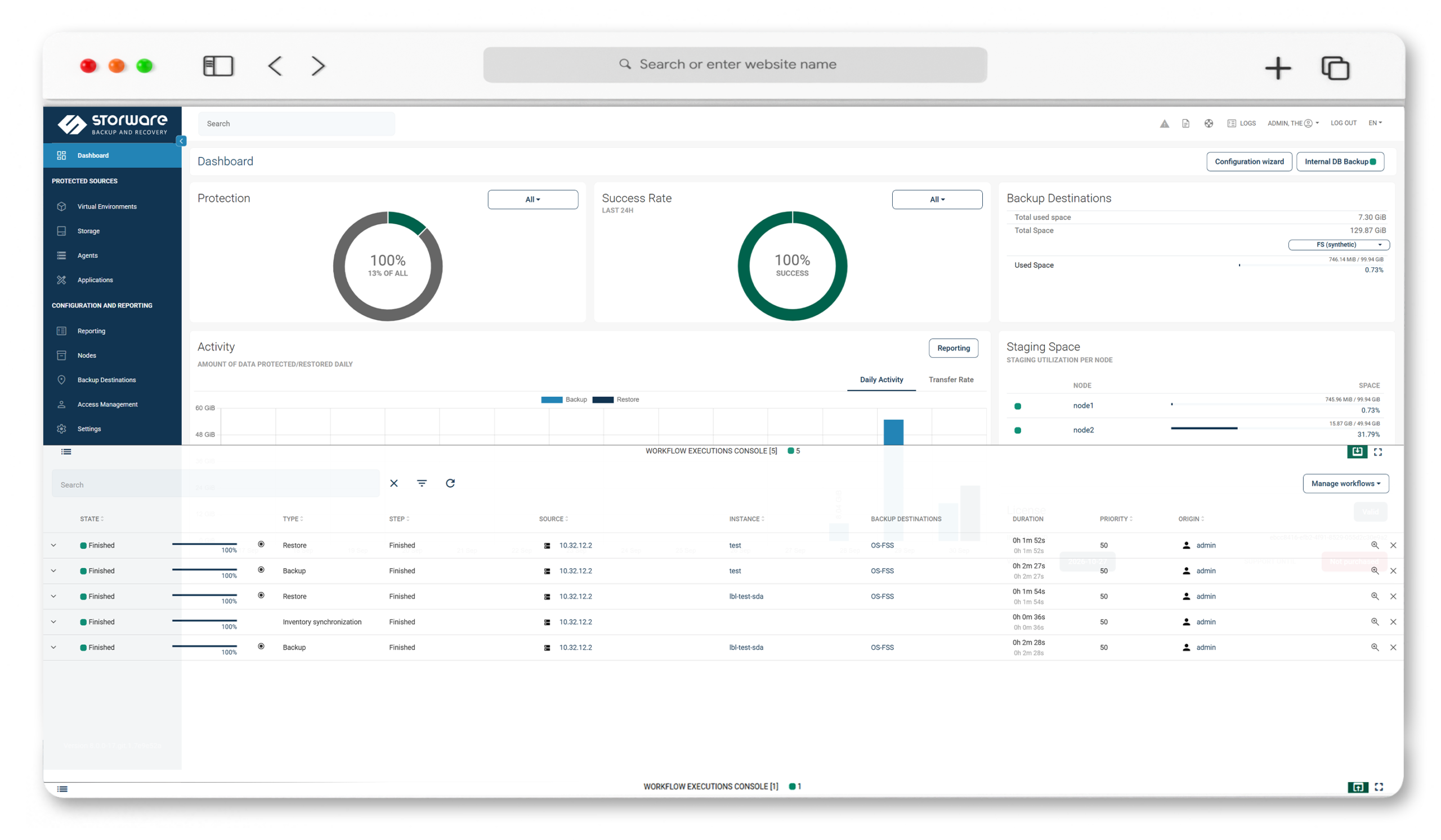
Containers and virtual machines protected from the same console under one universal license — including KubeVirt VMs on OpenShift Virtualization and SUSE Virtualization (Harvester).
Container protection, built for Kubernetes and OpenShift
Persistent volume backup
Full, incremental, and synthetic-full backups of the persistent volumes behind your stateful workloads.
Kubernetes resource and metadata protection
Capture namespace objects — deployments, services, ConfigMaps, Secrets, RBAC — so a restore rebuilds the workload, not just its disk.
Certified Red Hat OpenShift Operator
Deploy from the Operator Hub and manage snapshot, backup, and restore through Kubernetes-native and REST APIs and the CLI.
Token-based authentication
Kubernetes connections use token-based authentication — username/password authentication has been removed — aligning the integration with current Kubernetes security standards.
Support for clusters without a StorageClass
Backup operations complete successfully in Kubernetes environments where no StorageClass is defined, extending coverage to more cluster configurations.
Incremental for Ceph RBD persistent volumes
Block-change-based incrementals for Ceph RBD storage classes, so large volumes don't mean full copies every cycle.
KubeVirt VM protection through the Kubernetes integration
The same Kubernetes integration protects VM-based platforms built on KubeVirt — OpenShift Virtualization and SUSE Virtualization (Harvester) — covered under Virtual Machine Backup and Recovery.
Immutability and ransomware-resistant destinations
Object Lock, Retention Lock, IsoLayer air-gap, and AES encryption protect container backup copies against tampering and deletion.
Flexible backup destinations
Mounted file systems, S3-compatible and cloud object storage (Amazon S3, Google Cloud, Microsoft Azure), and enterprise backup targets (IBM Spectrum Protect, Dell EMC NetWorker, Veritas NetBackup).
Technology partners






Our Interactive Architecture
Whether you manage infrastructure, automate deployments, or lead IT strategy, Storware works the way you work.

Click any category to expand · Click a solution for details & demo booking
A container isn't a VM. Its backup can't be either.
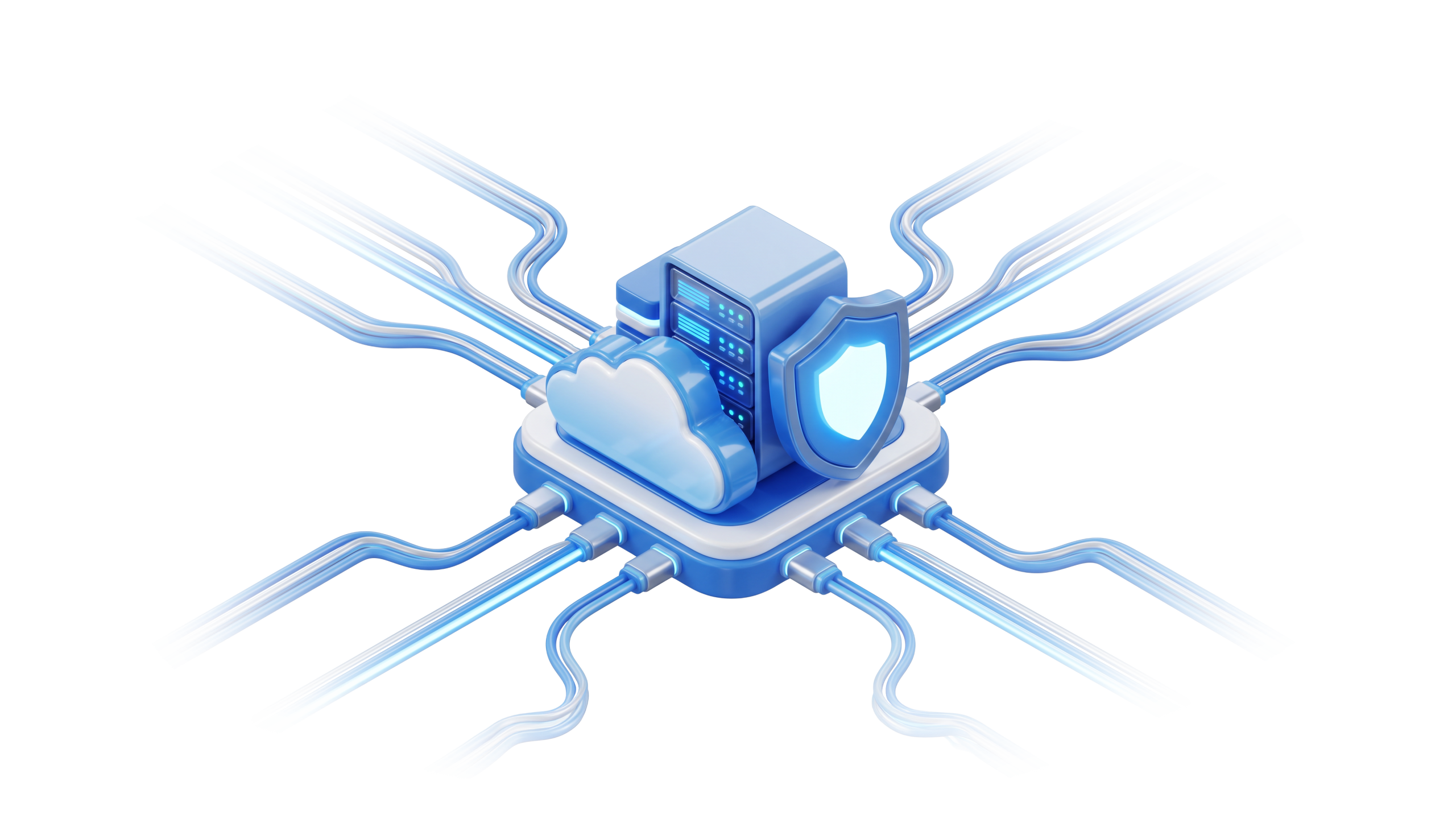
Kubernetes workloads keep their state in two places standard VM backup never sees — persistent volumes and the cluster's own object store. Back up worker-node disks and you recover neither.
The data — persistent volumes
Stateful apps write to PVs, often on Ceph RBD or Cinder. That's where the data lives, and where Storware takes incremental backups.
The definition — cluster state
Deployments, services, ConfigMaps, Secrets, and RBAC exist as cluster objects. Without them, recovered volumes have no workload to attach to. Storware captures both.
The recovery — data and definition together
Restore to the same or a different namespace or cluster, so the application comes back — not just its disk.
Kubernetes and OpenShift backup with Storware
See agentless, crash-consistent backup of persistent volumes and cluster state on Kubernetes and OpenShift — installed as a certified Operator and managed through native APIs.
Frequently Asked Questions
What does Storware back up in a Kubernetes or OpenShift cluster?
The persistent volumes that hold your stateful data, and the Kubernetes resources that define your workloads — deployments, services, ConfigMaps, Secrets, and RBAC. Backing up worker-node disks alone misses both.
Is container backup agentless?
Yes. Storware is a certified Red Hat OpenShift Operator and takes agentless, crash-consistent backups through Kubernetes-native APIs — no per-pod agents.
How does Storware authenticate to Kubernetes?
Through token-based authentication. Username/password authentication has been removed, aligning the integration with current Kubernetes security standards and supported authentication methods.
Does Storware work if my cluster has no StorageClass defined?
Yes. Backup operations complete successfully in Kubernetes environments where no StorageClass is defined.
Can I restore to a different namespace or cluster?
Yes. Data and workload definitions can be restored together to the same or a different namespace or cluster.
Does this cover VMs running on Kubernetes (KubeVirt)?
Yes. KubeVirt VMs on OpenShift Virtualization and SUSE Virtualization (Harvester) are protected through the same Kubernetes integration, covered under Virtual Machine Backup and Recovery — this page covers the container workloads.
Does this cover virtual machines running on OpenShift?
VMs on OpenShift are handled as OpenShift Virtualization (KubeVirt), covered under Virtual Machine Backup and Recovery. This page covers the container workloads; the two are protected by the same platform
Do you support incremental backups for containers?
Yes. Storware supports full, incremental, and synthetic-full backups, with change-based incrementals for Ceph RBD-backed persistent volumes.
How is container backup licensed?
On a per-compute-node basis, under the same universal license and platform that protect your virtual machines — no separate container product.
Where can container backups be stored?
Mounted file systems, S3-compatible and cloud object storage (Amazon S3, Google Cloud, Microsoft Azure), and enterprise backup targets such as IBM Spectrum Protect, Dell EMC NetWorker, and Veritas NetBackup.