

Build BaaS and DRaaS as a Service Line
Turn backup and disaster recovery into revenue. Storware gives MSPs one multi-tenant platform to run Backup as a Service and Disaster Recovery as a Service across every client environment — isolated per tenant, white-labeled as your own, licensed to grow with your book of business, and hosted under EU jurisdiction.

Key Highlights
Two services, one platform
Run BaaS and DRaaS from a single console. Onboard a client's VMs, containers, cloud, and databases without standing up a separate tool per service or per platform.

True per-tenant isolation
Each client is a scoped tenant. RBAC, groups, and Keystone-validated project scoping keep one client's backup data invisible to every other — isolation enforced at the identity layer, not by convention.

White-label and self-service
Deliver under your own brand, and hand clients a self-service portal for their own backup and restore. Your team stops fielding routine requests and moves to higher-value work.

Margins that scale with you
Universal licensing across 15+ platforms on OpenStack-based infrastructure — no per-feature fees, no per-socket hypervisor tax to pass on. Bill clients on actual usage.
What powers your BaaS and DRaaS
Multi-tenant management from one console
Onboard and operate many clients centrally, each scoped to its own tenant with dedicated policies, schedules, and backup destinations. No shared policy surface between clients.
RBAC with Users, Groups, and Roles
A role is a set of permissions; assign least-privilege access per operator and per client. Multi-domain authentication supports separate teams and organizational units under one platform.
Self-service portal via REST API
A fully documented REST API with native OpenStack project scoping, plus a ready-made Horizon UI plugin, lets tenants trigger and monitor their own operations. Policies are applied at provisioning — clients get service, you keep control.
The broadest platform coverage
Protect VMware, OpenStack, Proxmox VE, Nutanix AHV, Hyper-V, containers and OpenShift, and databases — 15+ platforms under one license, so a diverse client base doesn't fragment your tooling.
DRaaS with Recovery Plans and testing
Pre-define what recovers, from which backup, and where. Execute one-click disaster recovery, and run recovery tests on a schedule so client RTOs are proven, not promised.
Ransomware-resistant destinations
IsoLayer air-gap, WORM immutability (Object Lock, Retention Lock), and AES encryption protect tenant data at rest and in transit. Keycloak MFA guards the management layer against credential compromise.
Flexible destinations, including EU-based cloud
Local storage, S3-compatible object storage, tape, and Storware Cloud tiers (N-able, Vawlt, Seagate Lyve Cloud) — with no storage fees for backup data held in the secondary data center.
Usage-based licensing model
Per VM, FTB, host, endpoint, or user, with Pay as You Grow and Pay as You Go options — align your cost of goods to how you bill clients and protect margin as you scale.
Technology partners






One platform. Isolated lanes for every client.
Multi-tenancy isn't a checkbox — it's enforced at the identity layer. Each client operates in its own scoped tenant, and the platform validates every request server-side.
Scoped per tenant
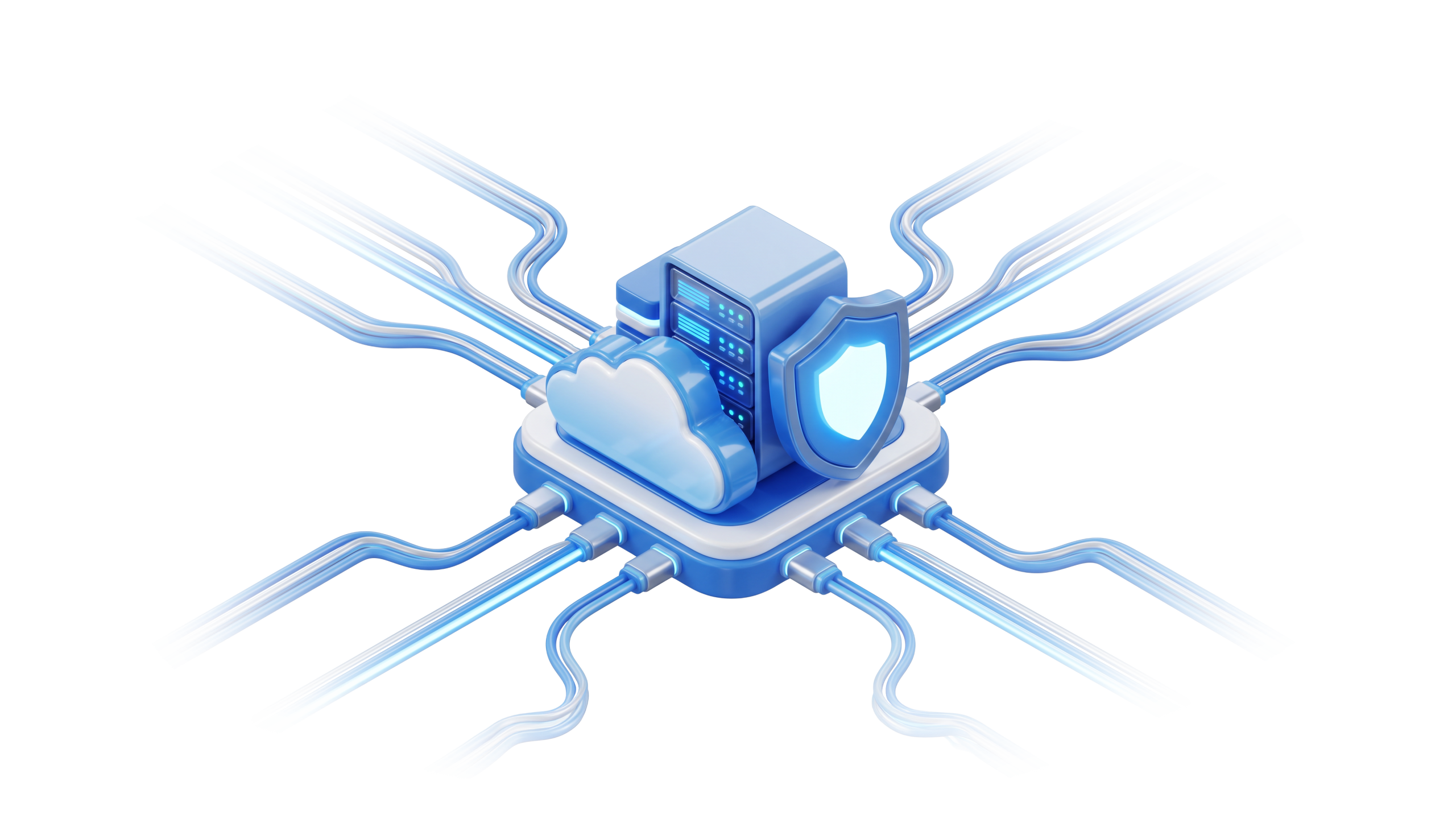
Every client maps to its own tenant with dedicated policies, schedules, and destinations. Operators see only what their role and tenant assignment permit.
Enforced server-side
Requests are validated against the authenticated user's Keystone token. A tenant can't enumerate or restore another tenant's data by supplying a different project ID — tenant scoping is a security property, not a UI filter.
Delegated safely
Give clients a self-service portal scoped to their own tenant. They run their own backups and restores; you keep central operation, oversight, and reporting.
Frequently Asked Questions
What's the difference between BaaS and DRaaS, and can I offer both?
BaaS delivers managed backup and recovery of client workloads; DRaaS adds orchestrated failover and recovery of whole environments to meet a defined RTO/RPO. Storware runs both from one multi-tenant platform, so you can offer either or both without separate tooling.
How does Storware keep one client's data isolated from another's?
Each client is a scoped tenant. Access is governed by RBAC (Users, Groups, Roles), and every request is validated server-side against the authenticated user’s Keystone token — a tenant can’t see, enumerate, or restore another tenant’s backups.
Can I white-label the service under my own brand?
Yes. Storware supports delivering BaaS and DRaaS under your brand, so the client relationship stays yours.
Can my clients manage their own backups?
Yes. A fully documented REST API with native OpenStack project scoping, plus a ready-made Horizon UI plugin, lets you give tenants a self-service portal to trigger and monitor their own backups and restores — scoped to their tenant only.
Which client environments can I protect?
VMware, OpenStack, Proxmox VE, Nutanix AHV, Hyper-V, containers and OpenShift, and databases — 15+ platforms under one universal license, so you can serve clients with diverse IT estates from a single platform.
How does licensing work for an MSP?
One universal license, billed per VM, FTB, host, endpoint, or user, with Pay as You Grow and Pay as You Go models. There are no per-feature or per-platform add-ons, so your cost of goods stays predictable as you grow.
Where is the data stored, and is it GDPR-aligned?
You choose the destination — local, S3-compatible object storage, tape, or Storware Cloud tiers. For EU and regulated clients, Storware’s EU-based control plane and EU cloud options support GDPR, NIS2, and DORA obligations without US-jurisdiction exposure.
What disaster recovery capabilities can I offer clients?
Recovery Plans define what recovers, from which backup, and where; one-click execution runs the plan in a single action. Scheduled recovery testing lets you prove client RTOs in advance, backed by immutable and air-gapped backup copies.